Built Barriers
Every day, women move through streets, workplaces and public spaces that were not designed with their needs or safety in mind. It might be a badly lit underpass, no stairfree access for those with wheelchairs or prams, or an overlooked detail that turns a simple journey into a daily challenge.
Our #BuiltBarriers campaign created a national visual archive of the everyday design decisions that exclude, limit or undermine women’s ability to navigate the world comfortably and safely. By documenting these barriers, the campaign uncovered how deeply gender‑biased design is embedded in the built environment, building an evidence base for meaningful change.

The archive
We invited the public, along with those working across architecture, planning, engineering and design, to capture the everyday barriers they encountered.
From daily commutes to school runs, workplaces to evening walks, people documented the exact moments where design became a barrier. Submissions ranged from serious to unexpected and even playful, each helping to build a richer picture of the problem.
These contributions are now informing the next phase of the work: identifying global best‑practice examples, celebrating inclusive design, and developing policy‑focused solutions. Together, we are moving from identifying obstacles to imagining — and demanding — environments where people of all genders can thrive.
-
![]()
The Atlas Project
-
![]()
The Echo Project
-
![]()
The Brightline Project
-
![]()
The Northgrid Project

Teamwork Case Study
What does a ‘barrier’ look like in your everyday environment?
At Coffey Architects, Associate Director Margaret Ravenscroft turned this question into a simple but powerful team exercise as part of the Built Barriers campaign.
“We held an informal lunchtime chat — no slides, no agenda — just space to share what we’d noticed in our surroundings. From poor lighting to awkward layouts and under-considered details, the barriers came quickly once we started talking.”
— Margaret Ravenscroft, Coffey Architects
Each team member was then invited to submit one image and a short caption describing a barrier they’d seen or experienced. The result? A collaborative studio submission, shared with Part W and amplified through the practice’s own channels.
“People felt they could contribute even if they weren’t usually vocal on this topic. And submitting as a group took the pressure off.”
Events
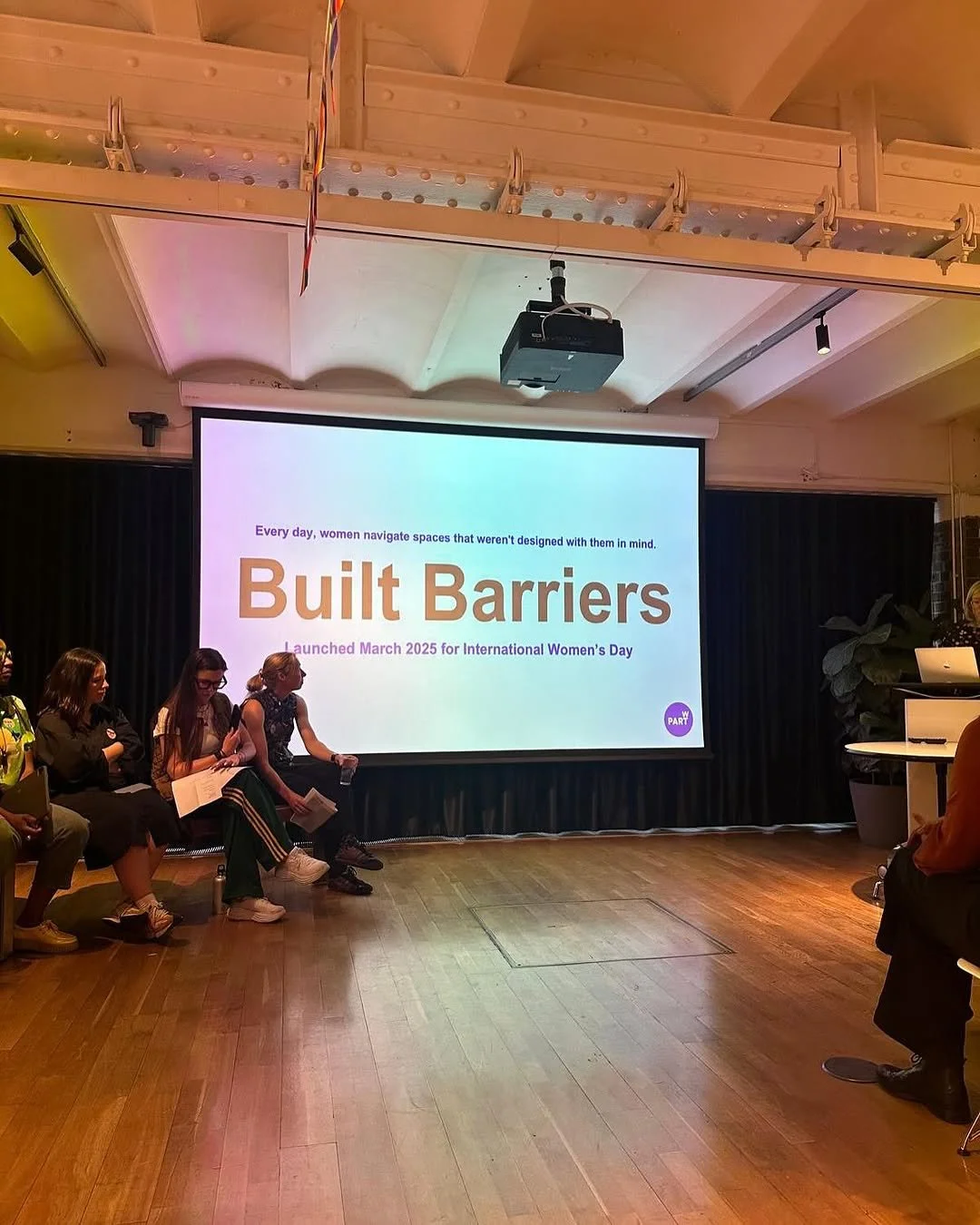
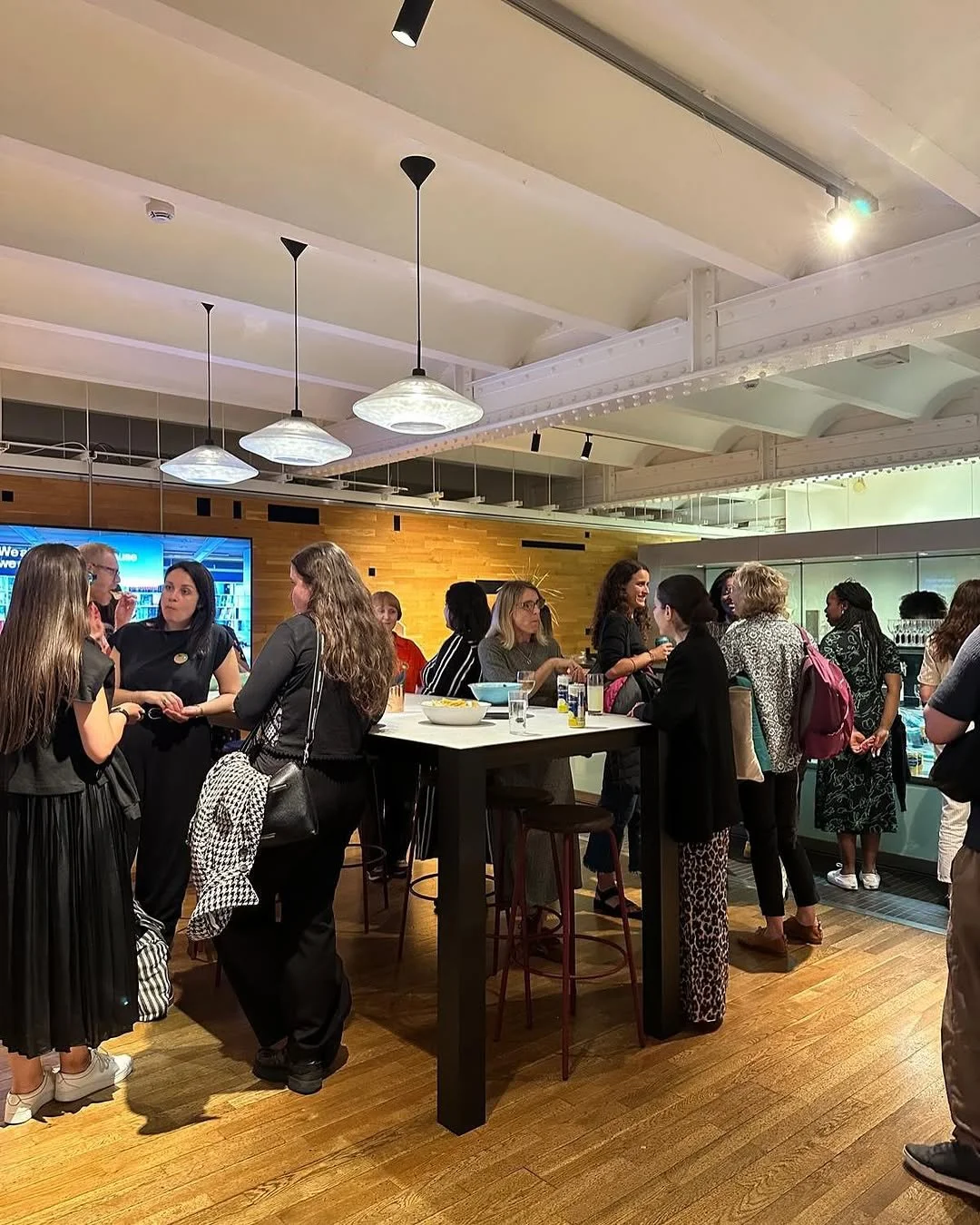
Thanks to our wonderful speakers and everyone who joined our events! The Built Barriers campaign launched in March 2025 at Roca London Gallery with a lively Pecha Kucha-style conversation featuring speakers sharing real‑world examples of everyday obstacles women face.
Later in December, we partnered with Festival of Place for an online workshop that brought people together to explore the barriers highlighted through the campaign, with talks and interactive activities that encouraged shared learning and collaboration.
Selected Press
Architects’ Journal
Built Barriers: A gallery of obstacles facing women daily
2025
2021
Architecture Today
Dispatches from Part W: Yẹmí Aládérun and Zoë Berman
2025